You can serve the best Old Fashioned in the city and still run a forgettable bar. I've watched it happen dozens of times — technically flawless cocktail programs inside spaces that feel like waiting rooms. The drink matters, obviously. But it's maybe 30% of why someone comes back.
The Lighting Problem
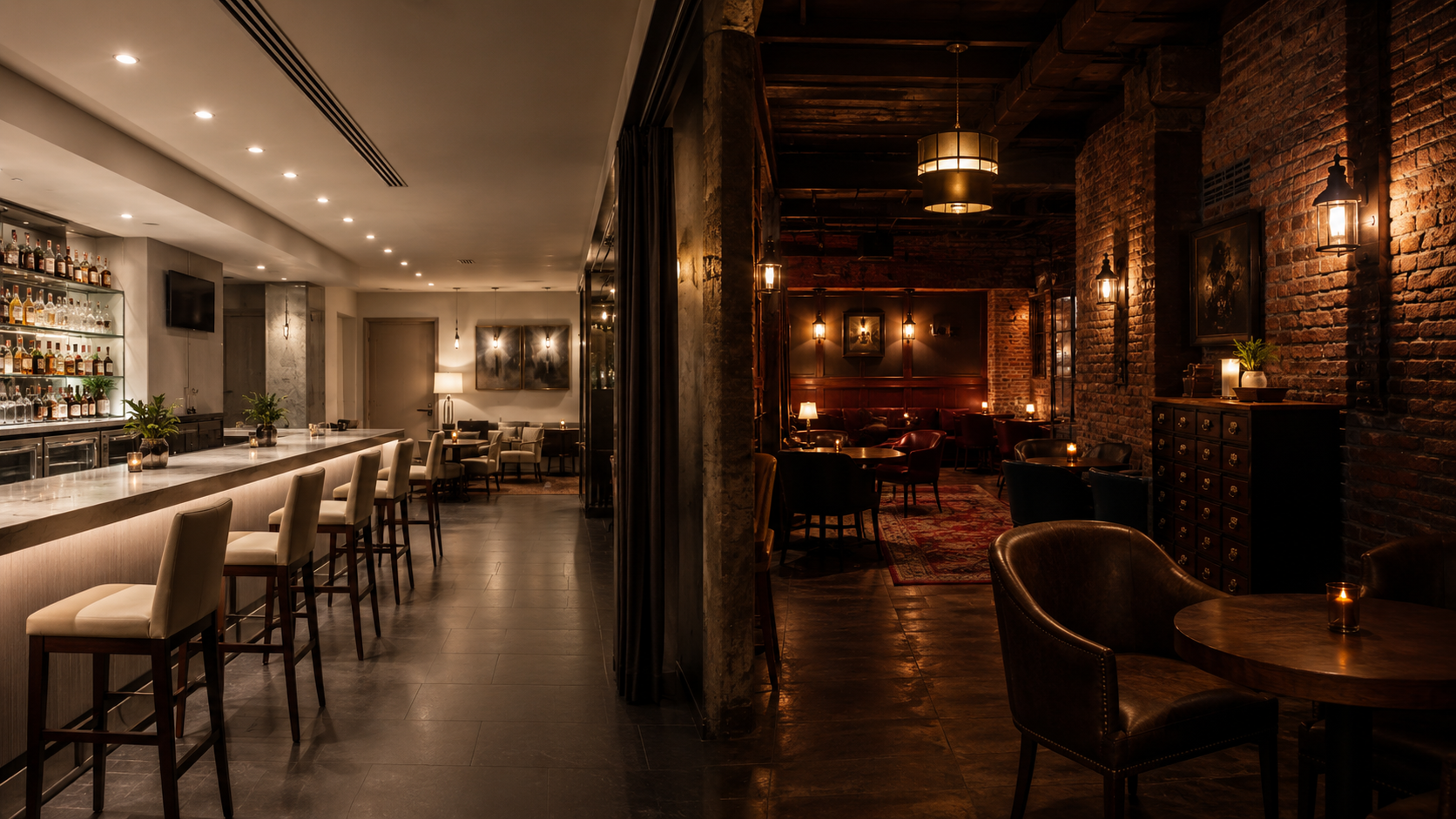
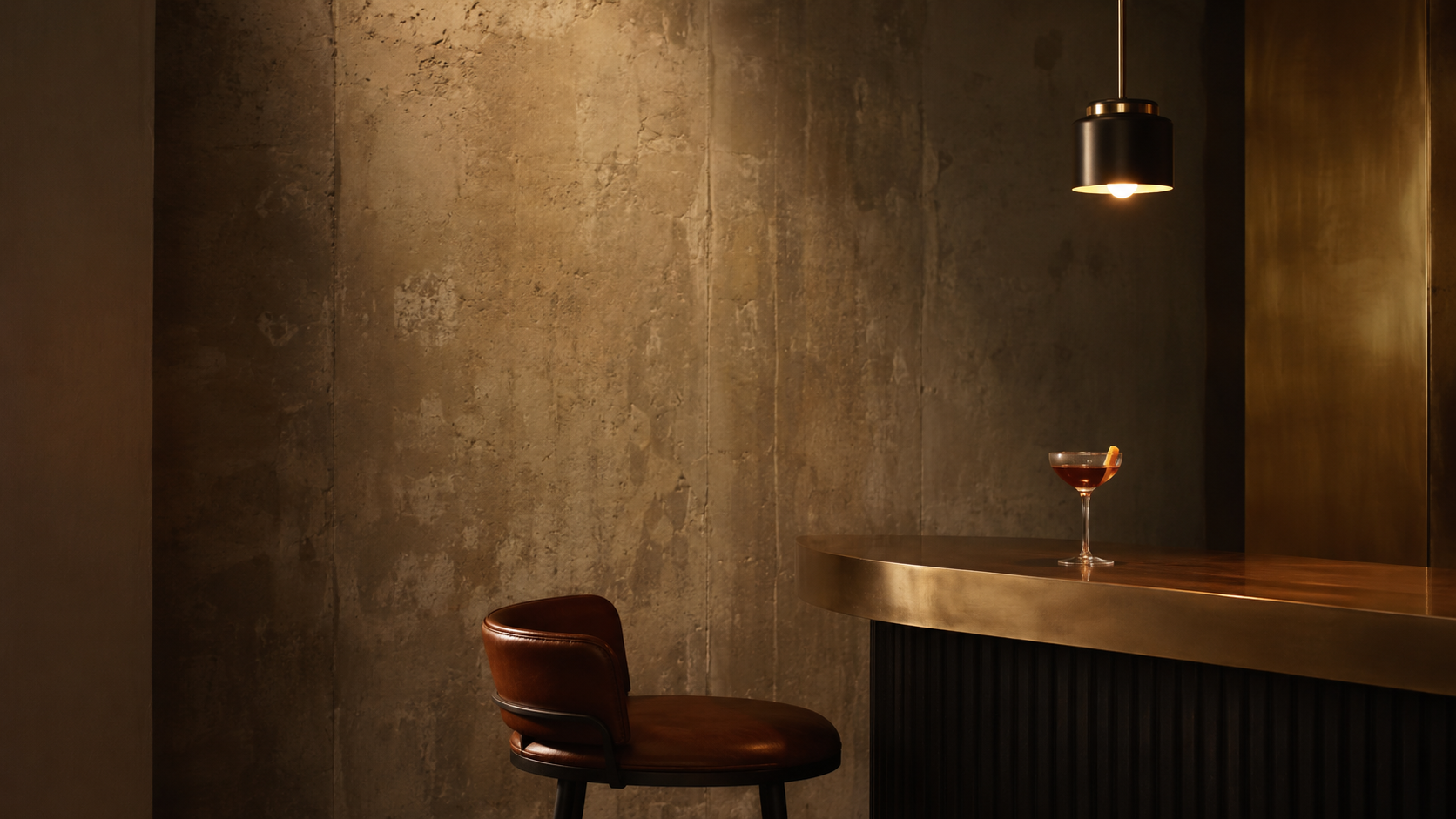
Most bars get lighting catastrophically wrong. Too bright and you feel exposed. Too dark and you can't read the menu or see what you're drinking. The sweet spot is specific: warm enough to feel intimate, bright enough to see your companion's face clearly, dim enough that the city outside the window becomes the dominant visual.
The best venues I've visited treat lighting like a timeline. It shifts through the evening. At 6 PM, natural light does the work. By 8 PM, the overheads dim and table candles matter. By 10 PM, you're drinking in something close to amber darkness, and it feels like the bar itself is settling in for the night.
Temperature as Design
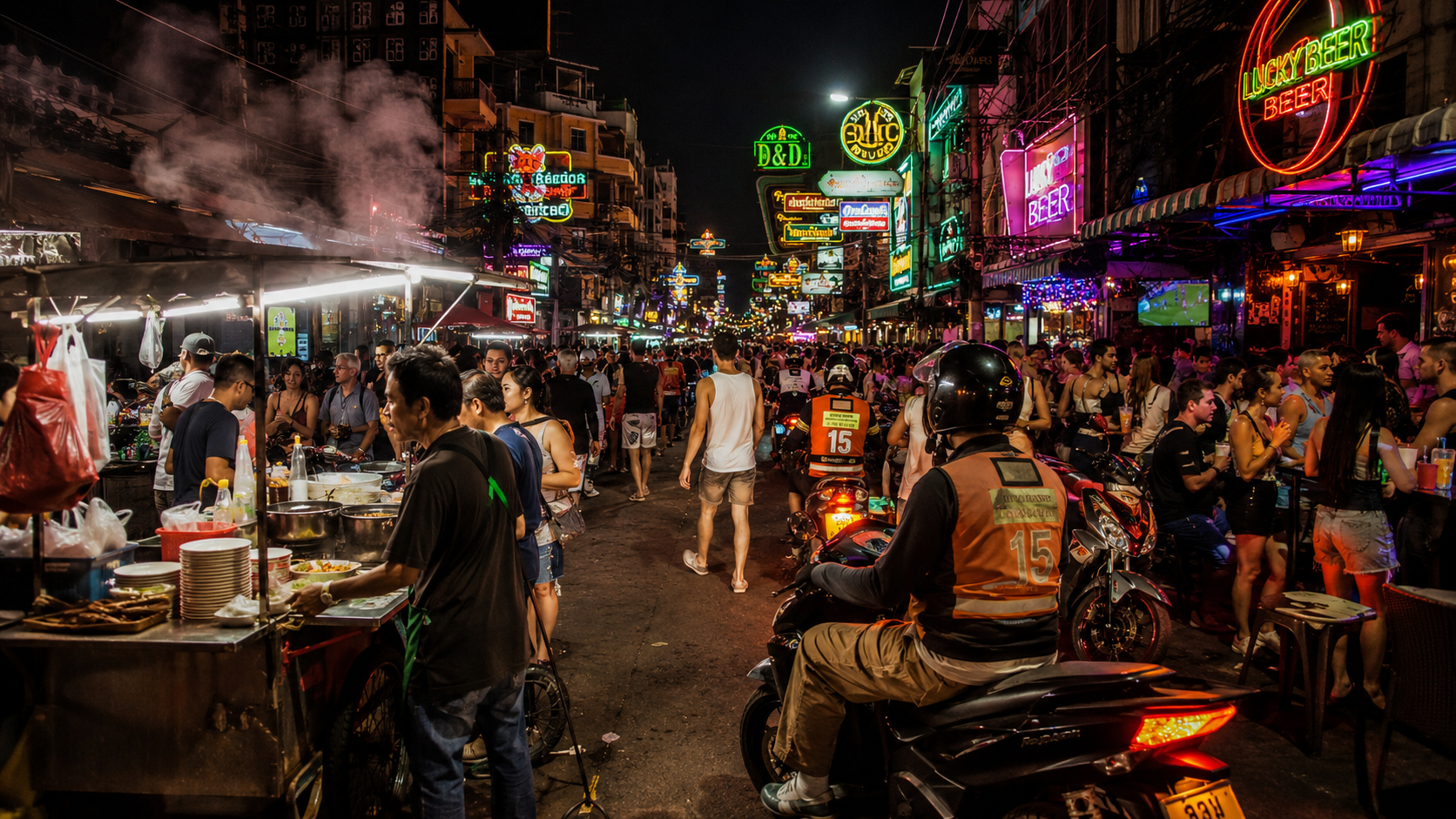
In tropical cities, temperature is the single biggest factor in whether a venue works. Bangkok's best open-air bars have figured this out — ceiling fans at specific speeds, misting systems calibrated to humidity levels, seating arrangements that channel natural breezes. You should never think about temperature at a great bar. The moment you notice you're sweating, the venue has failed.
The Geometry of Conversation
Table spacing determines everything about the social experience. Too close and you're eavesdropping on strangers. Too far apart and the room feels empty even when it's full. The ideal distance lets you hear your own table clearly while the surrounding conversation becomes a pleasant, indistinct hum — close enough for energy, far enough for privacy.
Seating angle matters too. Side-by-side seating facing a view creates a shared experience. Face-to-face across a narrow table creates intensity. L-shaped arrangements create intimacy without confrontation. Great venue designers think about these geometries obsessively. Bad ones just buy chairs and scatter them around.
The Invisible Choreography
Watch the staff at a well-run venue. They move in patterns you'll never consciously notice — approaching from your non-dominant side, clearing glasses during natural conversation pauses, checking on tables at intervals that feel attentive without being intrusive. This choreography is trained, rehearsed, and refined over months.
The worst bars interrupt you. The best ones anticipate you. Your glass is replaced before you notice it's empty. The bill appears when you reach for your wallet, not before. The music volume drops slightly when the room gets louder, maintaining the same perceived ambiance without anyone touching a dial.
Why It All Matters
A cocktail takes three minutes to make. An atmosphere takes years to perfect. The venues that endure — the ones people fly across the world to visit — are never famous for a single drink. They're famous for a feeling. And that feeling is the sum of a thousand deliberate decisions about light, space, sound, temperature, and timing that most guests will never consciously register but will absolutely feel.