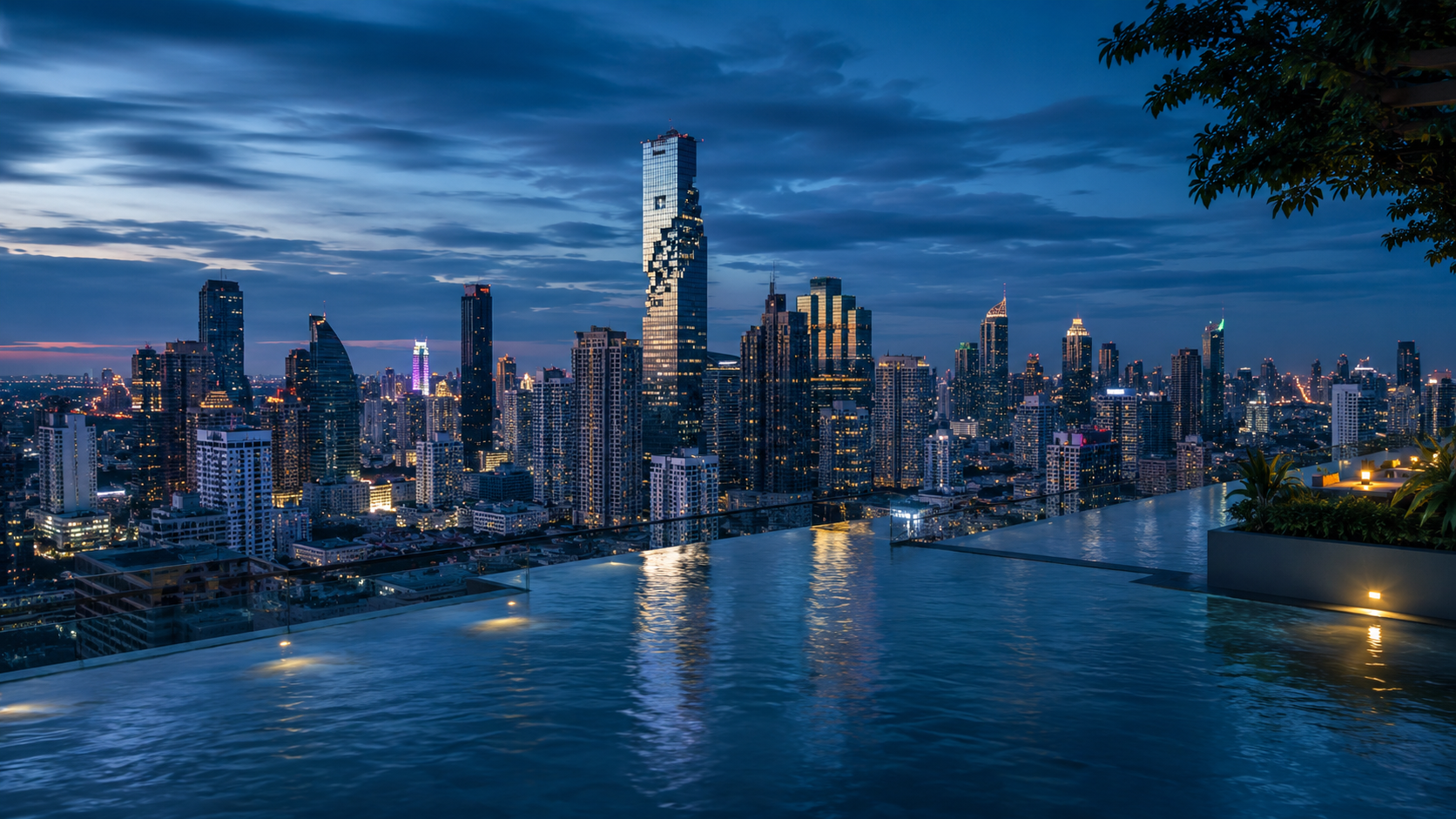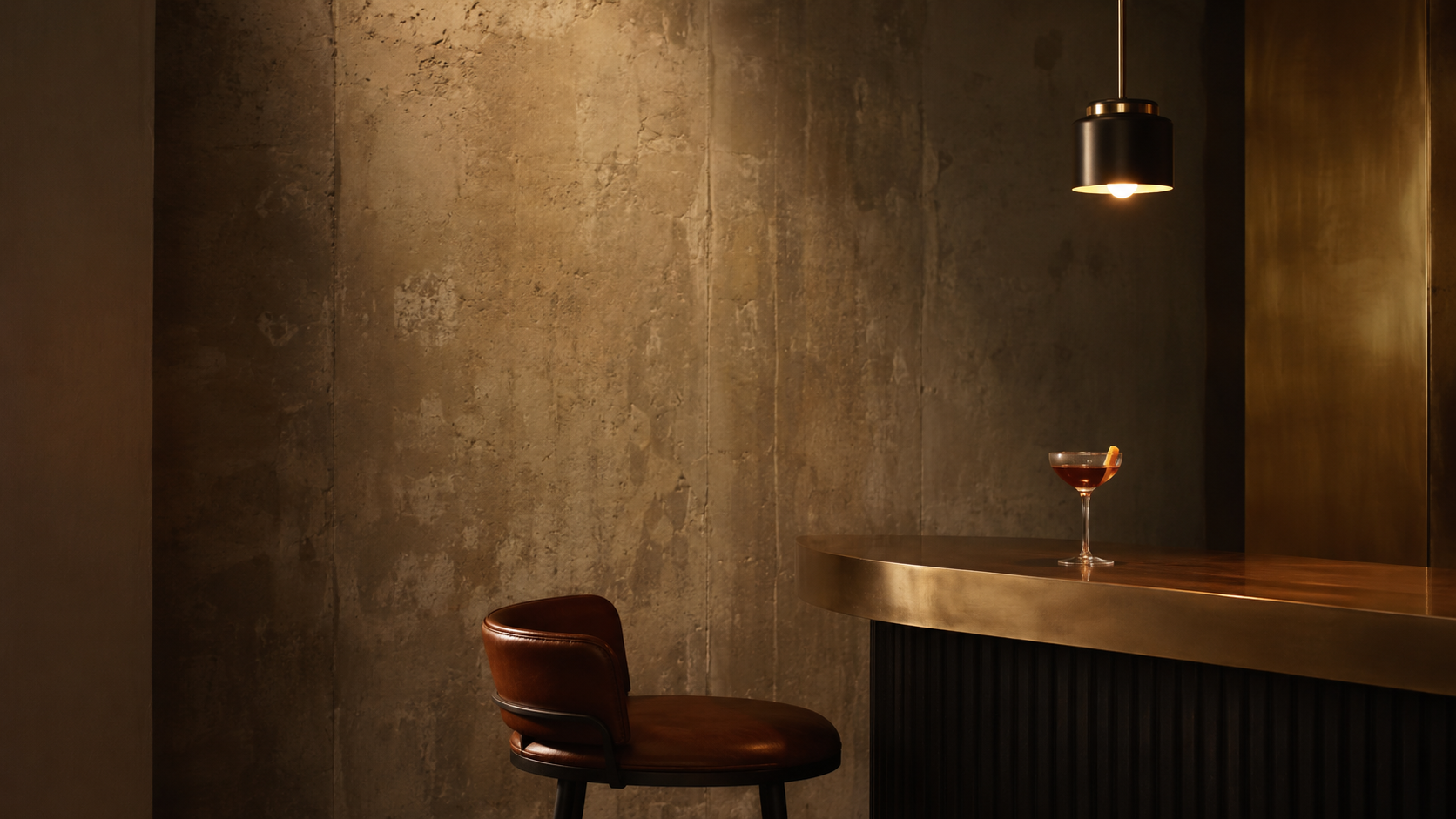
Most cities have a nightlife scene. Bangkok has a nightlife ecosystem — layered, adaptive, and self-renewing in ways that cities with stricter regulations and less imagination can't replicate. Spend enough time here and you start to see patterns that other cities would benefit from studying.
Lesson One: Density Creates Quality
Bangkok crams more venues per square kilometre than almost any city on earth. Thonglor alone has dozens of bars within walking distance. Ekkamai, Ari, Charoenkrung, Silom, Sathorn — each district is its own concentrated nightlife neighbourhood. This density forces competition, and competition forces innovation. When the next great bar is literally next door, mediocrity doesn't survive.
Western cities spread their nightlife across vast distances, diluting the energy. Bangkok concentrates it, creating a critical mass where each venue benefits from the ones around it. A great bar on a street of great bars attracts more people than the same bar standing alone in a suburb.
Lesson Two: The Street Is Part of the Venue
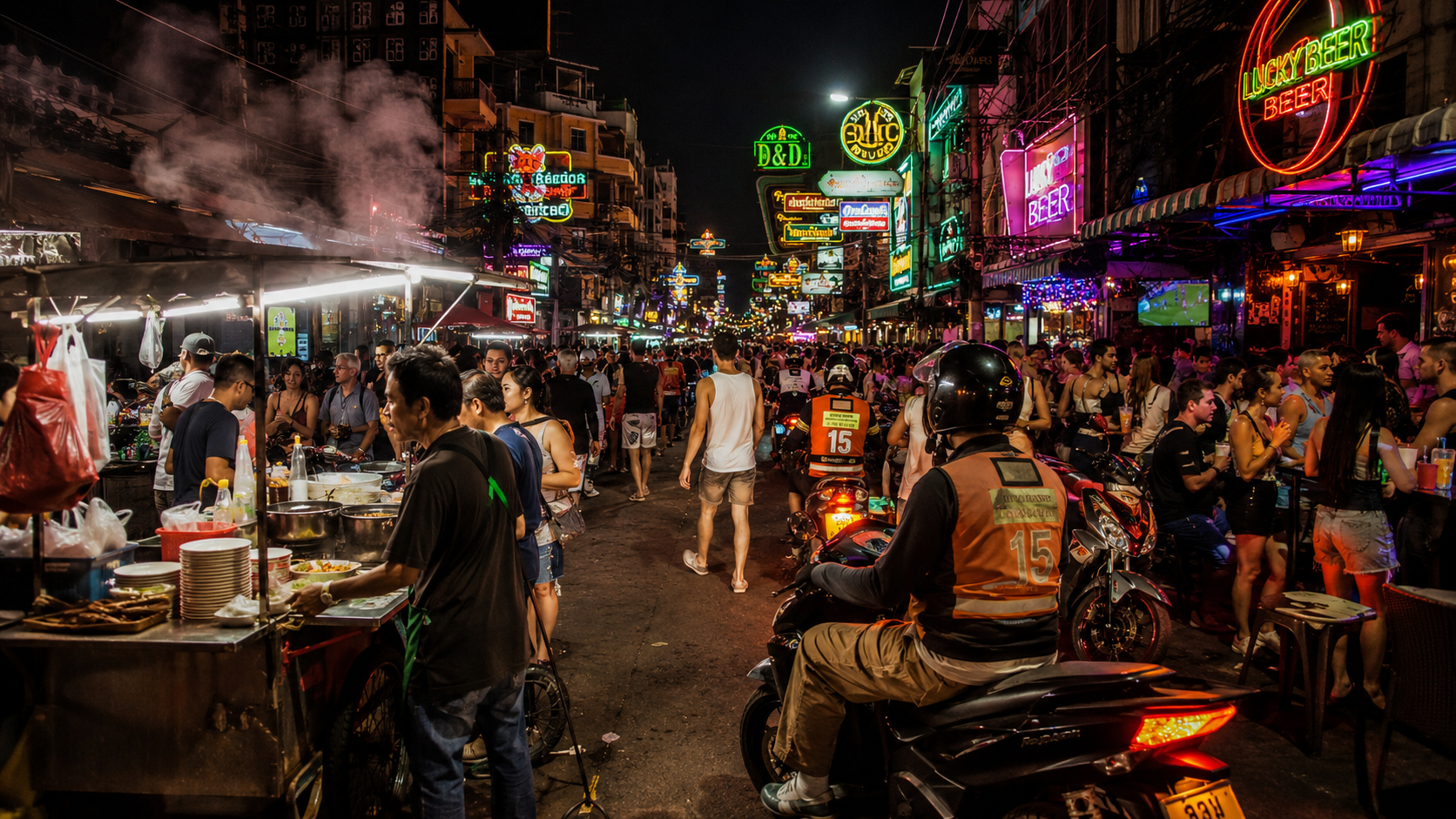
In Bangkok, the boundary between indoors and outdoors is porous. Bars spill onto sidewalks. Street food vendors set up outside clubs. The walk between venues is itself a social experience — you encounter friends, discover new openings, eat a plate of pad thai at 1 AM between cocktail bars. As documented extensively in Bangkok's nightlife history, this integration of street life and venue culture is foundational to the city's after-dark identity.
Cities that segregate nightlife into designated zones — cordoning it off from residential and commercial life — strip away this organic energy. Bangkok's refusal to separate drinking from eating from walking from living is what gives its nights their particular electricity.
Lesson Three: Late-Night Culture Requires Infrastructure
Bangkok's BTS and MRT run until midnight, but the city's real transport infrastructure for nightlife is the network of motorcycle taxis, tuk-tuks, and ride-hailing apps that operate 24 hours. Getting home safely at 3 AM is trivially easy. This matters enormously. Cities where transport shuts down at midnight effectively impose a curfew that no amount of late licensing can override.
Lesson Four: Let the Market Experiment
Bangkok's relatively light regulatory touch (at least compared to cities like Sydney or Singapore) allows venues to experiment rapidly. Pop-up bars appear in parking lots. Restaurants convert into dance venues after 10 PM. A shophouse bar opens, tests a concept for six months, pivots to something else, or closes to make way for the next idea. This rapid iteration produces more failures, but it also produces more innovation.
Lesson Five: Hospitality Is Cultural
Thai hospitality culture — the genuine warmth, the attentiveness without intrusiveness, the smile that doesn't feel performed — gives Bangkok's venues an emotional warmth that colder service cultures can't manufacture. You can train staff to be efficient. You can train them to upsell. But you can't train the kind of hospitality that makes a stranger feel genuinely welcomed at midnight on a Tuesday.
This is Bangkok's ultimate competitive advantage, and it's the one that no other city can copy. The rooftop bars can be replicated. The street food can be imported. The venue designs can be photographed and rebuilt elsewhere. But the culture of welcome that infuses every interaction — from the security guard at the door to the bartender who remembers your order — that's Bangkok's alone.