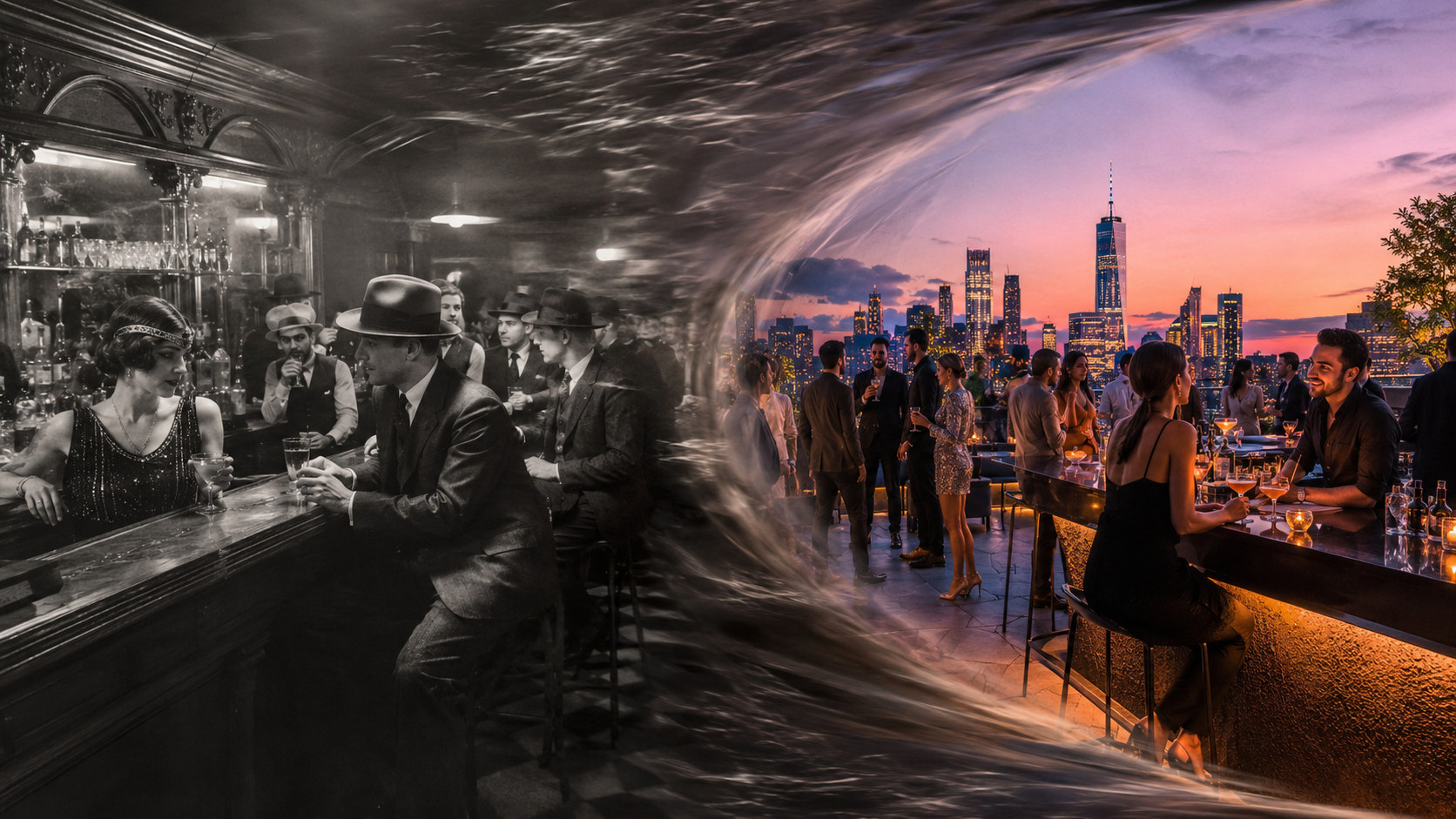
There are bars you visit, and there are bars that stay with you. The legendary ones — the places people name-drop decades after they close — share a quality that has nothing to do with the drinks, the decor, or the location. They became part of people's stories. Not the bar's story. The guests' stories.
The Mythology of Place
Harry's Bar in Venice has been serving the same Bellini since 1948. The Bamboo Bar at the Mandarin Oriental Bangkok has been pouring cocktails since 1953. El Floridita in Havana trades on Hemingway's ghost. These places became legendary not because they were objectively better than every alternative, but because they accumulated meaning. Every famous guest, every historic evening, every anecdote that someone told someone who told someone else — it all compounded into mythology.
Mythology isn't manufactured. You can't brand your way into legend. You can only create the conditions where stories happen and then have the discipline to keep the doors open long enough for those stories to accumulate.
Consistency as Rebellion
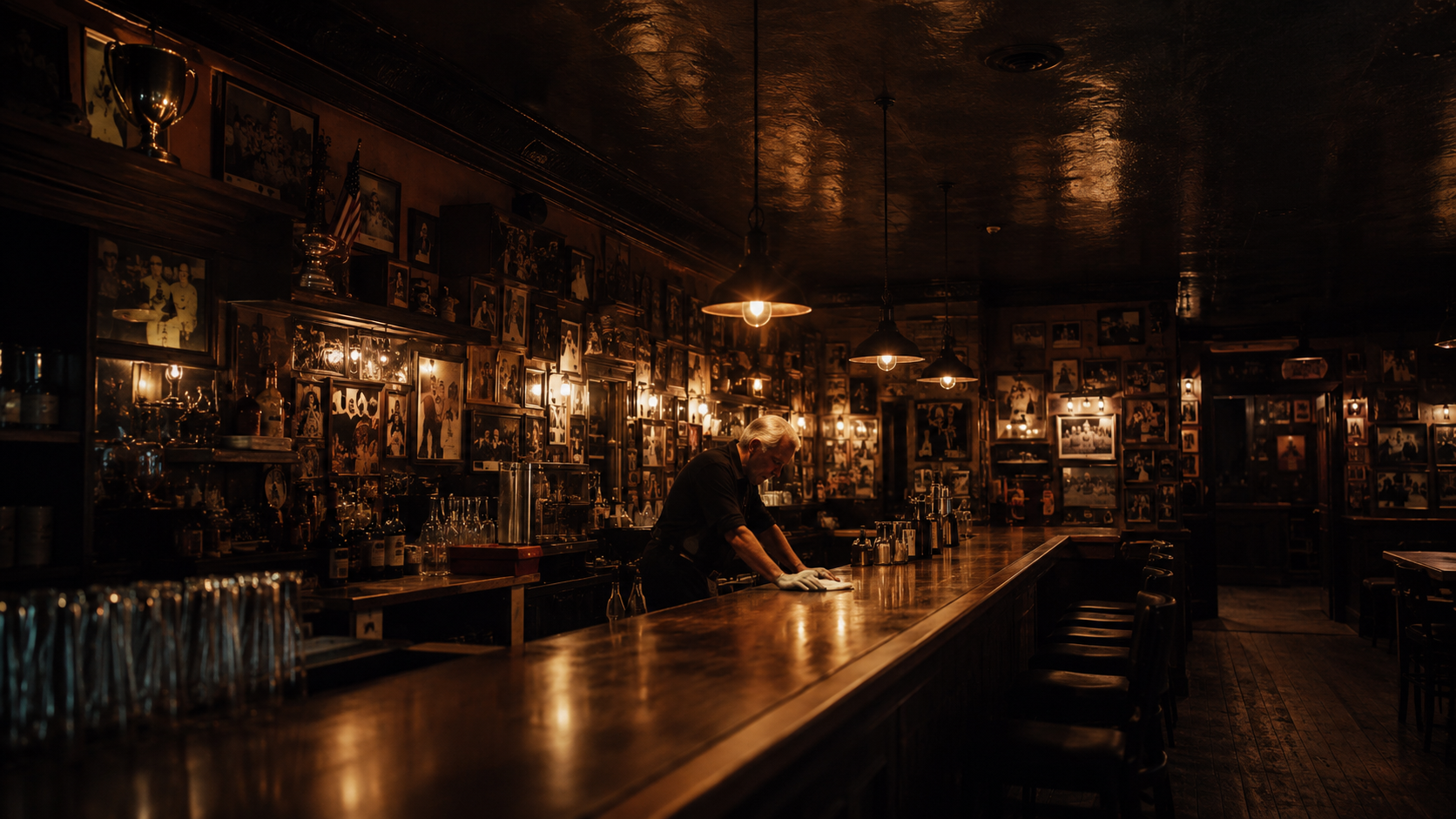
In an industry obsessed with novelty — new concepts, new menus, new designs every eighteen months — the most radical thing a bar can do is stay the same. The legendary venues resist the pressure to reinvent. They refine. They polish. They make the same experience incrementally better over decades rather than chasing trends that will date them within years.
This requires an unusual kind of confidence. It means watching newer, shinier venues open across the street and attract all the attention, and trusting that attention is temporary but quality is permanent. It means saying no to the renovation that would make the space more Instagrammable but less itself.
The People Who Make the Place
Behind every legendary bar is a person — usually the founder or a long-tenured bar manager — whose personality became inseparable from the venue. They remembered names. They anticipated orders. They made regulars feel like the bar was partly theirs. When that person left, some of the magic left with them, which is why so many legendary bars fade after a change in ownership or management.
The venues that survive transitions are the ones where the culture was stronger than any individual. The systems, the standards, the unwritten rules about how guests are treated — these were codified into something that new staff could inherit without having met the founder.
Location as Destiny
Geography plays a larger role than the industry likes to admit. The bars that become legendary tend to occupy specific geographic positions: waterfront, rooftop, street corner, or hidden in a neighbourhood that was ahead of its time. They're usually the first serious venue in their location, the one that made people notice the neighbourhood rather than the one that followed the crowd.
In Bangkok, Tep Bar in the old town arrived before Charoenkrung was fashionable. Teens of Thailand in the same area was pouring craft cocktails when the surrounding streets were still dark and overlooked. These venues didn't follow the map — they redrew it.
The Ingredients of Legend
Time. Consistency. A founder with taste. A location with character. Staff who care. Guests who return. Stories that travel. None of these can be purchased or accelerated. A bar becomes legendary the same way a person becomes wise — slowly, through accumulated experience, with plenty of difficult nights along the way.
The bars opening this year that will still be spoken about in 2050 are probably not the ones getting the most press right now. They're the quiet ones. The stubborn ones. The ones whose owners care more about Tuesday night regulars than Saturday night crowds. Legend isn't loud. It's patient.