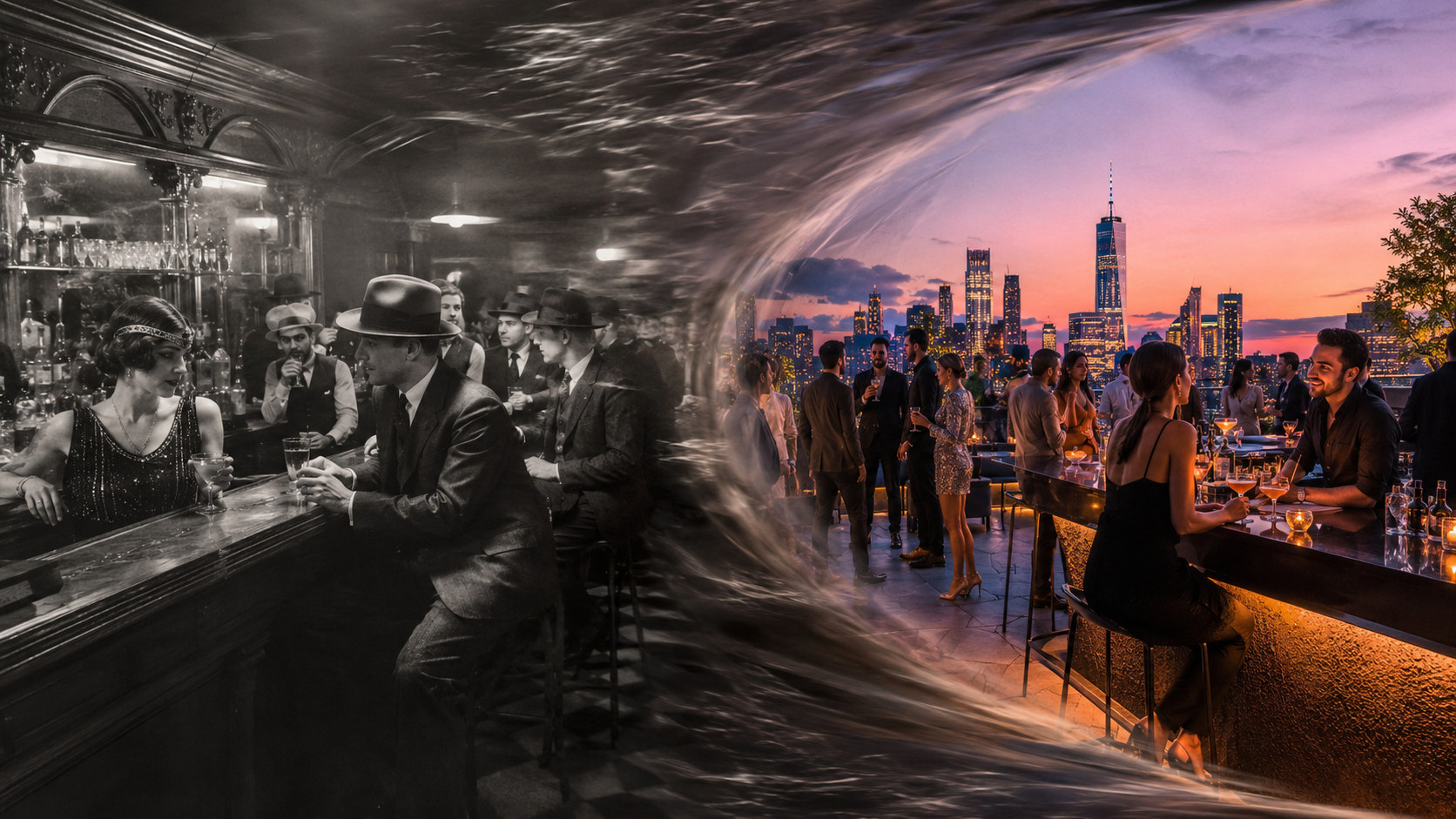
The history of going out is the history of what society permits, what architecture enables, and what people desire when the sun goes down. Every era produces its defining venue type, and each one reveals something about the culture that built it.
The Underground Era
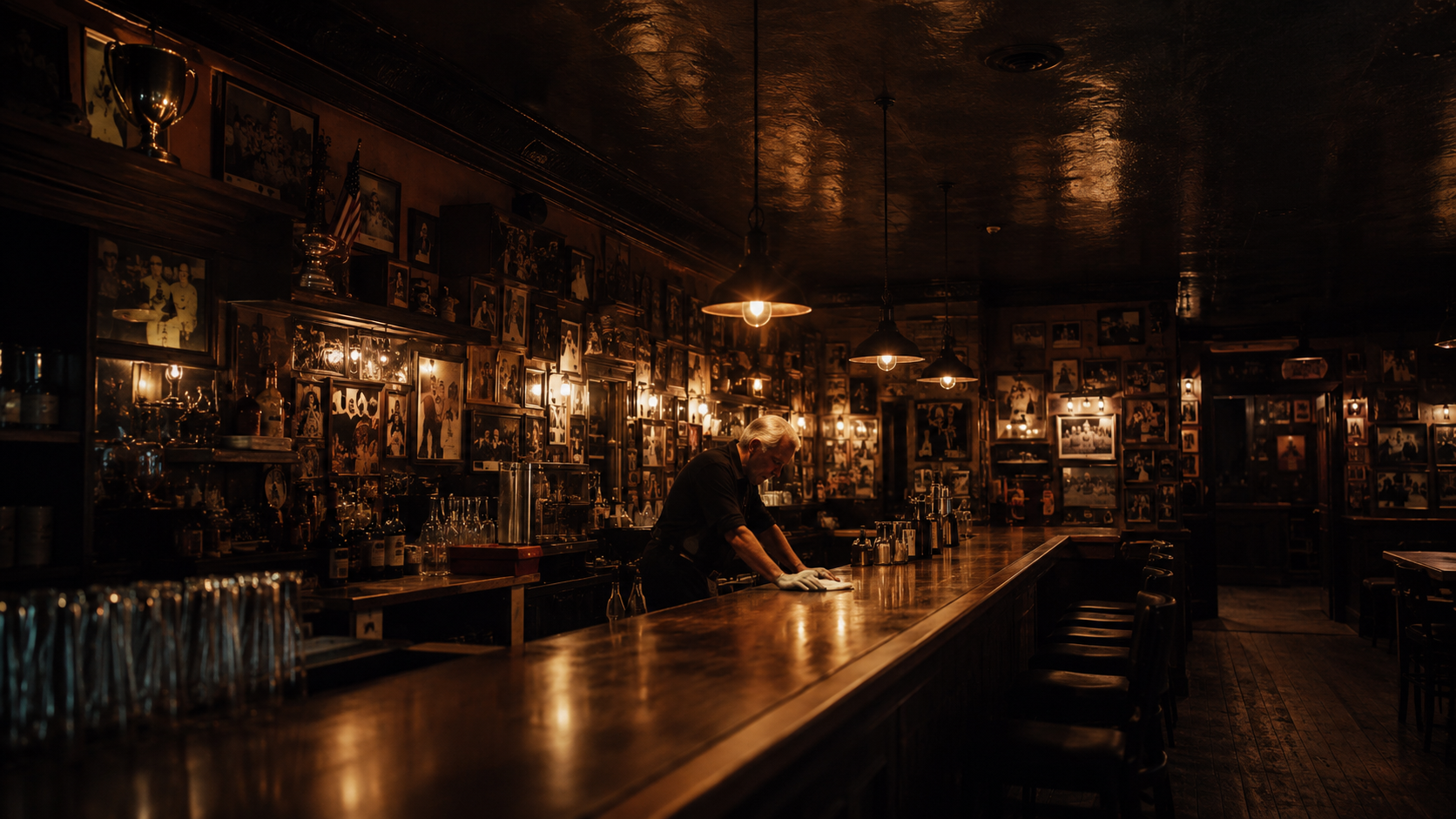
Prohibition didn't kill drinking in America — it just pushed it underground, literally. The speakeasy wasn't designed as a concept. It was a survival strategy. Hidden entrances, passwords, unmarked doors — these weren't aesthetic choices, they were legal necessities. But something interesting happened in those basement bars: the secrecy created intimacy. The exclusivity created desire. The danger created electricity.
When Prohibition ended in 1933, the speakeasy should have disappeared. Instead, it became a template. A century later, cities worldwide are still opening "hidden" bars with unmarked entrances and exclusive door policies, borrowing the language of necessity and repurposing it as luxury.
The Cocktail Lounge and the Age of Cool
The 1950s and 60s brought the cocktail lounge — low lighting, deep booths, live jazz, and Martinis served with architectural precision. These were designed spaces, the first era where venue design was understood as a commercial discipline. The Polynesian tiki bar, the mid-century modern hotel bar, the jazz club with its precise acoustics — each was engineered to produce a specific emotional state.
This was the era that established the principle that still governs nightlife: the drink is secondary to the experience. A Martini tastes the same anywhere. But a Martini in a walnut-panelled booth with Coltrane playing and a view of the Manhattan skyline through floor-to-ceiling glass — that's something else entirely.
The Nightclub Revolution
Disco, then house music, then electronic dance music — each wave pushed nightlife further from the seated, conversational model toward the immersive, physical, communal experience. Studio 54 proved that a venue could be a cultural event. The Haçienda in Manchester proved it could be a movement. Berghain in Berlin proved it could be a pilgrimage.
The nightclub era shifted the emphasis from design to energy. The space mattered less than the sound system, the DJ, the crowd, the chemical and emotional alchemy of five hundred people moving in the same direction at 3 AM.
The Sky Bar Era
And now we're here — in the age of the sky bar. The defining venue type of the 2020s isn't underground or at street level. It's on the roof. The movement from basement to penthouse tracks a broader cultural shift: from secrecy to spectacle, from intimacy to panorama, from hidden to visible.
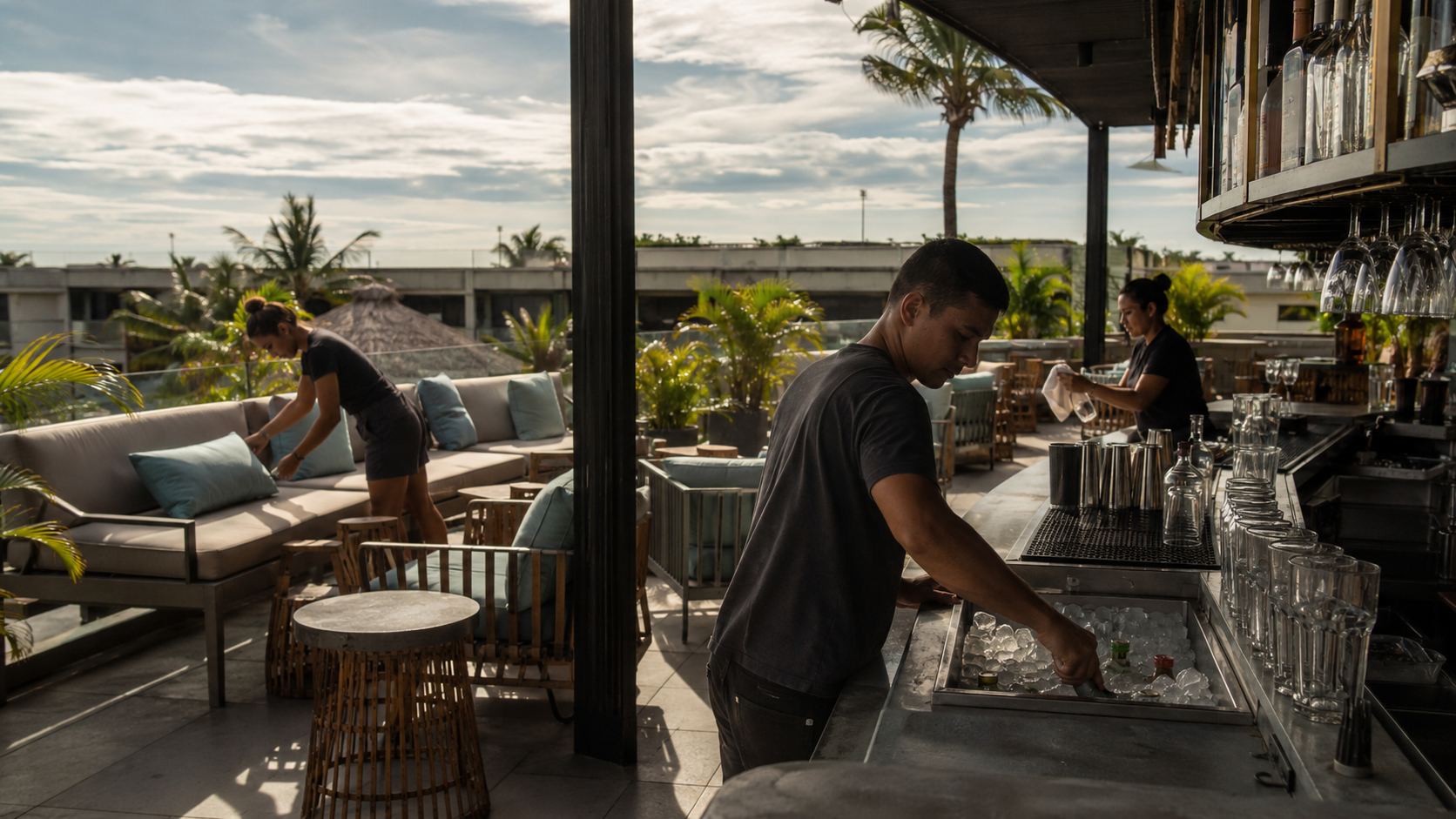
The sky bar is the opposite of the speakeasy in every way. Where the speakeasy hid, the sky bar displays. Where the speakeasy was cramped and dark, the sky bar is open and luminous. Where the speakeasy was about who you knew, the sky bar is about where you are — geographically, altitudinally, socially.
What Comes After the Sky
Every era of nightlife is a reaction to the one before it. If the current era is about openness, visibility, and elevation, the next one will likely swing back toward intimacy, concealment, and ground level. We're already seeing the early signs: the rise of the omakase cocktail bar, the members-only listening room, the twelve-seat basement bar where the bartender knows your name.
The pendulum swings. But each swing adds something new to the vocabulary of going out. The speakeasy gave us mystery. The cocktail lounge gave us design. The nightclub gave us communal energy. The sky bar gave us the city as backdrop. Whatever comes next will inherit all of it.