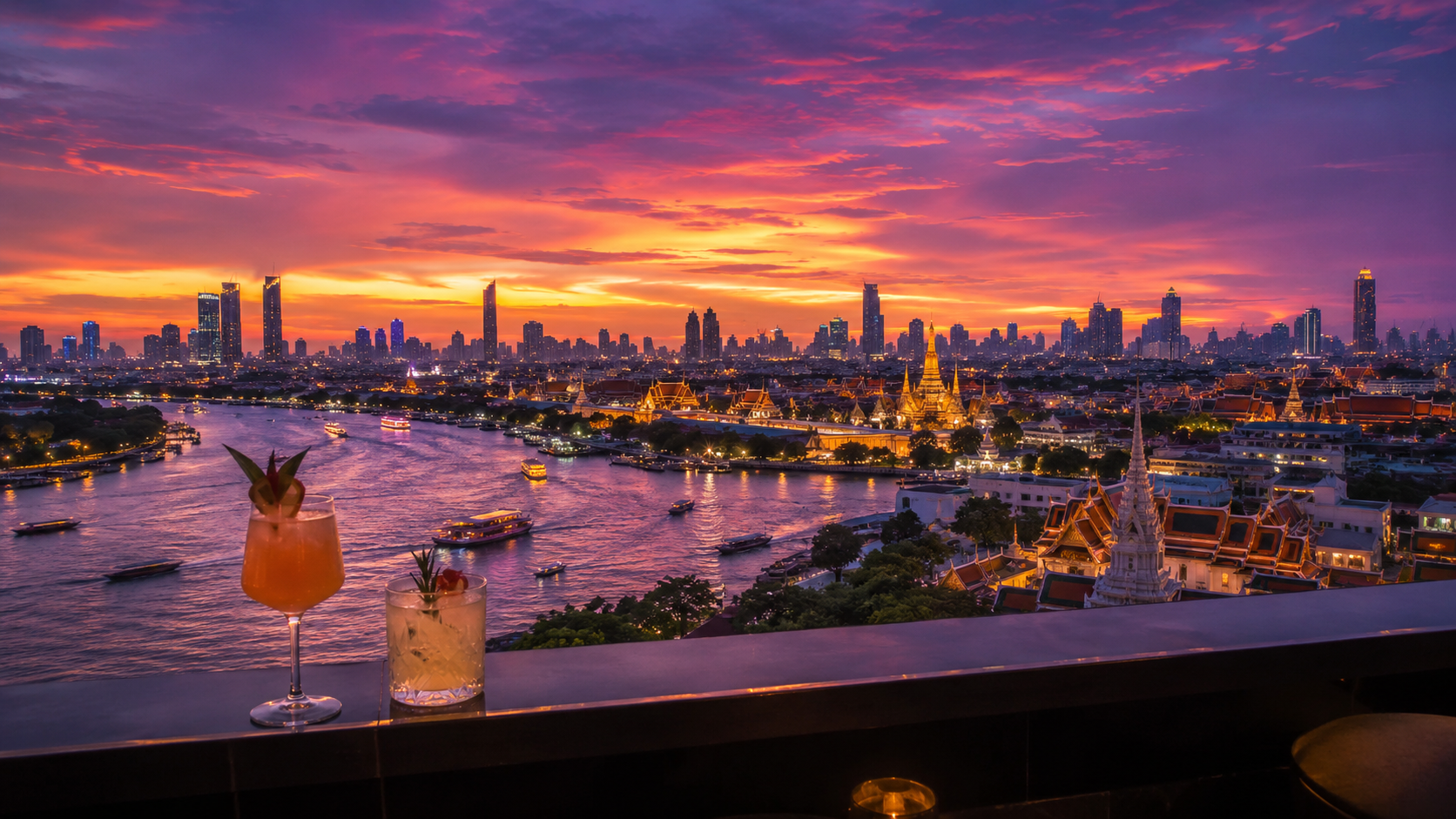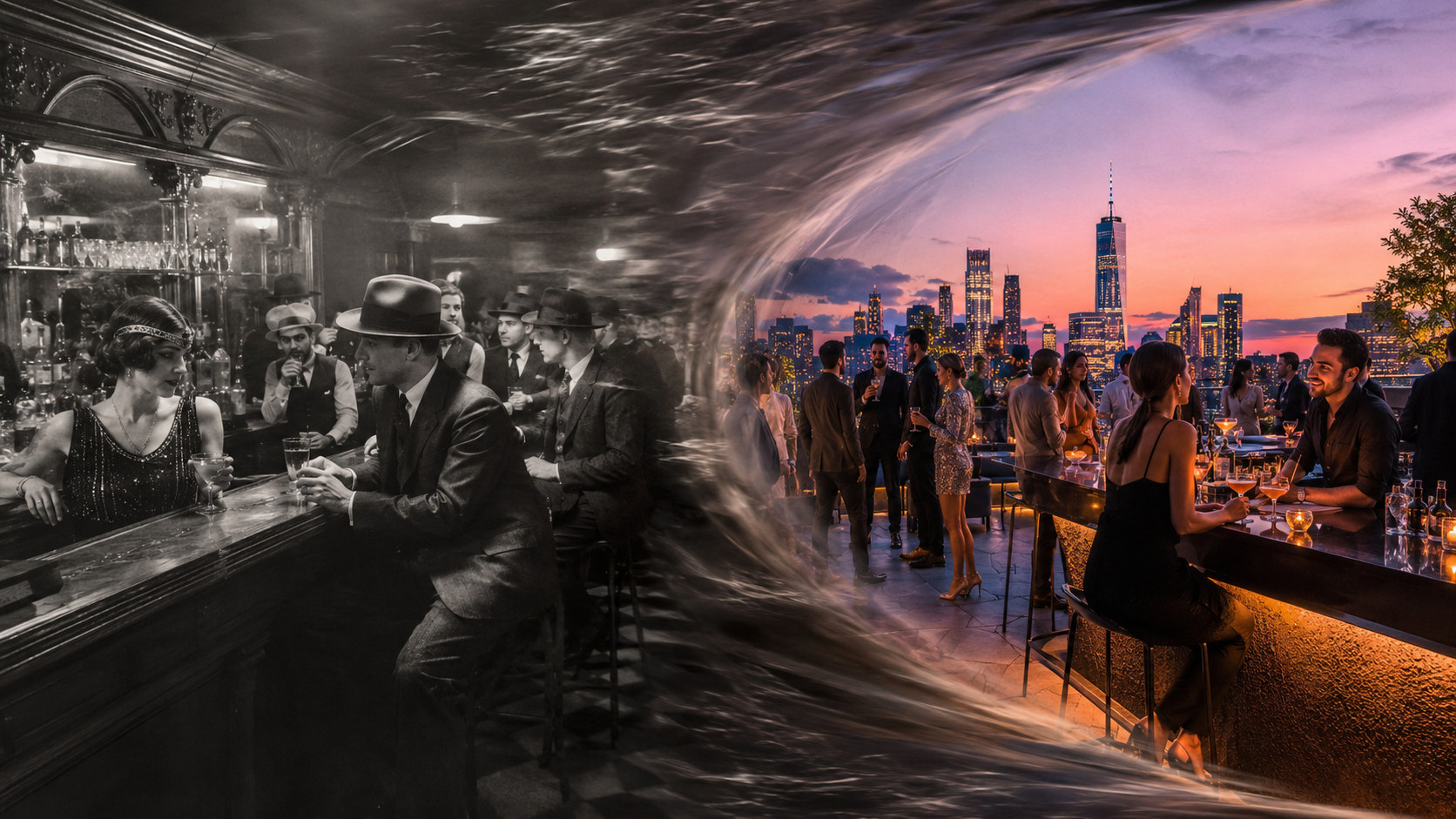
Everyone wants to open a rooftop bar. The margins look gorgeous on paper — premium pricing, lower rent per square metre on unused roofspace, the Instagram marketing practically does itself. Then the monsoon season arrives, and you understand why half of these places close within three years.
The Weather Tax
In Bangkok, the rainy season runs from May through October. That's six months where any open-air rooftop bar is gambling with every evening's revenue. A sudden downpour at 7 PM can empty a venue in twelve minutes. The guests don't wait it out — they leave, and they don't come back that night.
Smart operators build for rain. Retractable awnings, covered sections that don't feel like afterthoughts, drainage systems that handle 50mm in an hour without turning the bar floor into a wading pool. These solutions cost money. A proper retractable roof system for a 200-square-metre space runs between 3 and 8 million baht, depending on the engineering.
The Logistics of Altitude
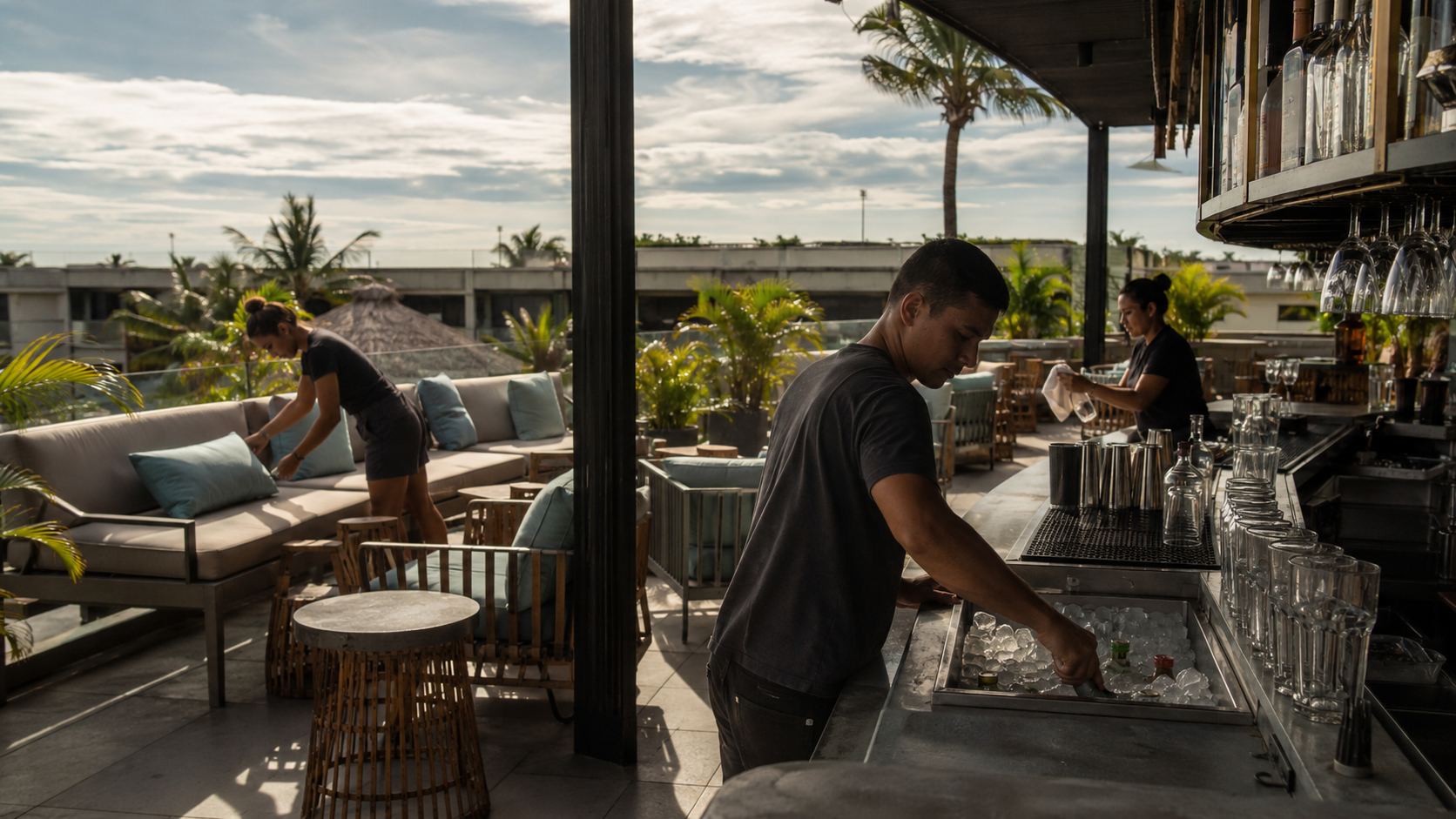
Everything costs more when you're carrying it up forty floors. Ice melts in the service elevator. Glassware breaks at three times the rate of a ground-floor bar because staff are navigating narrow corridors and tight stairwells. Fresh garnishes wilt faster in the heat and wind of an exposed rooftop. These aren't dramatic expenses individually, but they compound into operating costs that are 15-25% higher than an equivalent ground-level venue.
Pricing Psychology
The altitude premium is real and guests accept it — to a point. In Bangkok, a rooftop cocktail at a top-tier venue commands 450-650 baht, compared to 280-380 at a street-level craft bar. That's a 60-70% markup for the same base spirits, and most guests don't blink. The view is the justification, and it works as long as the view delivers.
But there's a ceiling, and it's not the sky. Push past 700 baht for a standard cocktail in Bangkok and even high-net-worth tourists start questioning the value. The sweet spot sits right where the price feels aspirational without feeling extractive.
Staffing the Sky
Rooftop bars require more staff per cover than ground-level venues. The distances are longer — from bar station to table is often twice the walk of a conventional layout. Wind affects service speed. Noise levels make communication harder. You need runners, dedicated barbacks for the rooftop station, and security that understands altitude-specific safety protocols.
The best Bangkok rooftop bars run at a staff-to-guest ratio of roughly 1:8, compared to 1:12 or 1:15 at a typical bar. That's a significant labour cost difference, and it's non-negotiable if you want the service quality that justifies the pricing.
Why They Keep Opening
Despite all of this, new rooftop bars keep opening across the tropics because the ones that work are spectacularly profitable. A well-run 150-seat rooftop bar in a prime Bangkok location can gross 8-12 million baht per month during peak season. The margins, even with the elevated costs, can hit 25-30%. That's enough to carry the quiet months and still return handsomely on the investment. The economics are brutal, but the maths works — if you get everything else right.